

Most lost deals are not lost in the demo. They leak out earlier, through small habits that quietly cap deal size, shrink customer lifetime value, and turn warm prospects into ghosts. The mistakes below rarely announce themselves. Here are seven worth rooting out, why each one costs you, and how to fix it.
1. A one-size-fits-all approach
Every prospect has their own priorities, their own pressures, and their own reasons to buy. Run the same scripted process at all of them and you sound like everyone else in their inbox.
Personalize instead. Learn what each customer cares about, name their pain, and shape every step of the process around it. Prospects who feel understood move forward; the ones who feel processed do not.
An AI sales copilot helps here: it pulls the key context scattered across your stack into one place, so you walk into each conversation knowing what this customer actually wants.
2. Sticking with the same tools as everyone else
A CRM is table stakes now. Almost every team has one. That is exactly why it no longer gives you an edge.
AI sales tools like Airspeed change how reps work day to day. They lift productivity, surface what to do next on a deal, and capture insight from every customer interaction without anyone typing it in.
Running the same tools as your competitors gets you the same results as your competitors. Keep an eye out for the technology that does not.
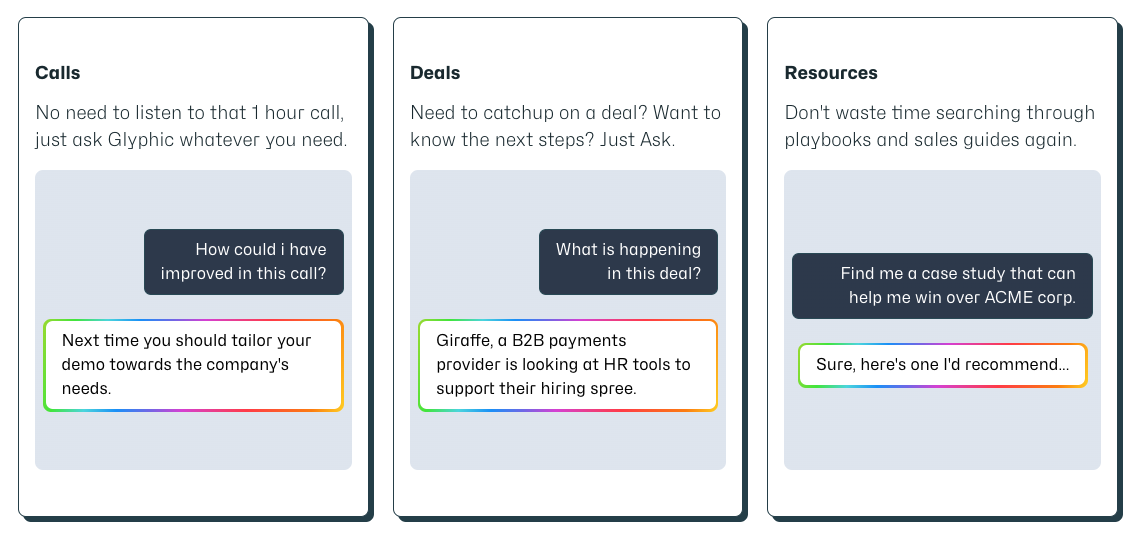
Airspeed’s AI sales copilot gives reps tailored advice based on your company’s customer data
3. Talking more than you listen
The smooth-talker image of sales gets one thing wrong: the best reps listen more than they pitch. Listen closely and you learn the goals, the pain, and the real reasons a deal stalls or moves.
You cannot solve a problem you have not heard. Talk over the prospect and you learn nothing, and you risk coming off pushy. Listen twice as much as you speak.
4. Failing to follow up
Work is fragmented. The average desk worker now bounces between 11 tools to get the job done, twice as many as in 2019, with a calendar full of back-to-back meetings on top.
So even a great call slips a prospect’s mind by the next morning. A quick, specific check-in pulls you back to front of mind and moves the deal along.
Automate it where you can, using details from the last conversation so the message lands personal. With Airspeed, the follow-up email writes itself from the call: key points, the resources you mentioned, action items, and next steps.
5. Not qualifying leads properly
A rep’s time is the asset. Every minute spent on a lead that will never close is revenue left on the table, and most teams chase low-intent leads far longer than they should.
Research suggests 67% of lost sales trace back to reps not qualifying properly. The cost runs both ways: effort poured into prospects who will not convert, and high-value buyers who get missed.
Automated qualification fixes both. Tools like Airspeed plug into your CRM and sync insight from every call to score leads on real purchasing intent. The qualification auto-populates the right CRM fields in real time, so your lead scoring stays current without manual entry, and the AI flags the next step on the opportunities worth chasing. More time selling, less time sorting, energy aimed where it pays.
6. Not asking for customer feedback
Sales is not a one-way street. The teams that keep winning refine the process around what their customers actually need, and the fastest way to learn that is to ask the customers you already have.
Ask thoughtful questions: what works in your current approach, what falls short, what sets you apart from the alternatives they considered. After a deal closes, get honest feedback on the buying experience, then adjust. That first-hand input tells you precisely where to lift satisfaction, retention, and lifetime value.
7. Chasing acquisition over retention
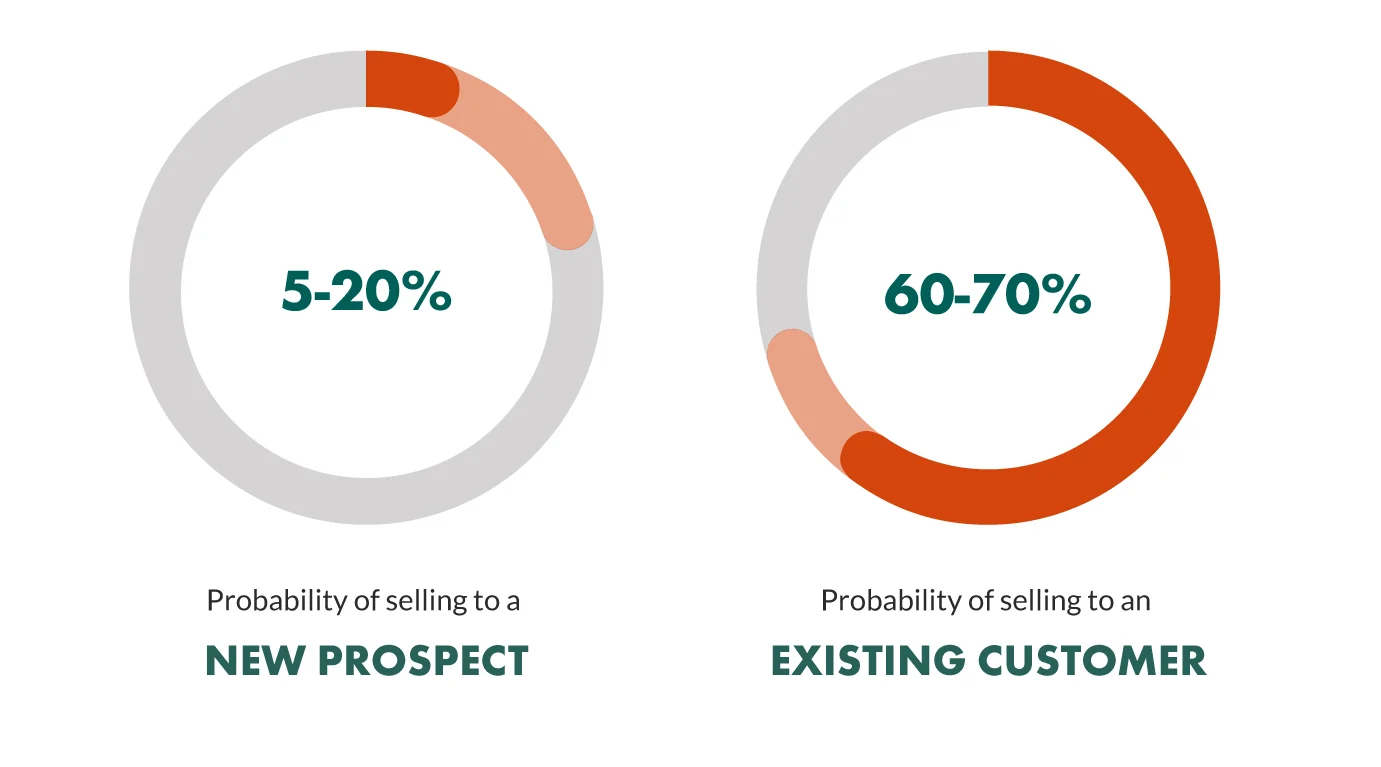
Source: CUSTOMER CHURN: 12 WAYS TO STOP CHURN IMMEDIATELY, SuperOffice
Landing a new logo feels great. Growing an existing account is usually the better return. You have already earned the trust and proven the value, so an upsell tailored to what they need closes faster than starting cold.
The math backs it. Harvard Business Review calculated that lifting retention by just 5% can raise profits 25% to 95%. The odds of selling to an existing customer run 60-70%, against 5-20% for a new one. Extended relationships mean larger purchases, more expansions, and the referrals and case studies that compound. Weight your priorities accordingly.
Final thoughts
Even strong teams have blind spots where revenue leaks out through simple, costly habits: thin personalization, weak follow-up, the wrong success metric. Now you know which ones to watch.
Fix these and you set yourself up for more deals, bigger deals, and longer relationships. The first step is awareness. The best teams did not get there by luck; they hunted down mistakes like these, corrected, and kept going. So can you.


.png)